


Remember Fallen Heroes
They will always be remembered...
Apollo 1 (January 27, 1967)
Virgil "Gus" Grissom - Commander, Edward White - Command Pilot, Roger Chaffee - Pilot
STS-51 L (January 28, 1986)
Francis R. Scobee - Commander, Michael J. Smith - Pilot, Judith A. Resnik - Mission Specialist 1, Ellison Onizuka - Mission Specialist 2, Ronald E. McNair - Mission Specialist 3, Gregory B. Jarvis - Payload Specialist 1, Sharon Christa McAuliffe - Payload Specialist 2
STS-107 (February 1, 2003)
Rick D. Husband - Commander, William C. McCool - Pilot, Michael P. Anderson - Payload Commander, David M. Brown - Mission Specialist 1, Kalpana Chawla - Mission Specialist 2, Laurel Clark - Mission Specialist 3, Ilan Ramon - Payload Specialist 1
Video credit: NASA
Featured blog posts
 Every propulsion revolution has been delayed not by imagination, but by power.
 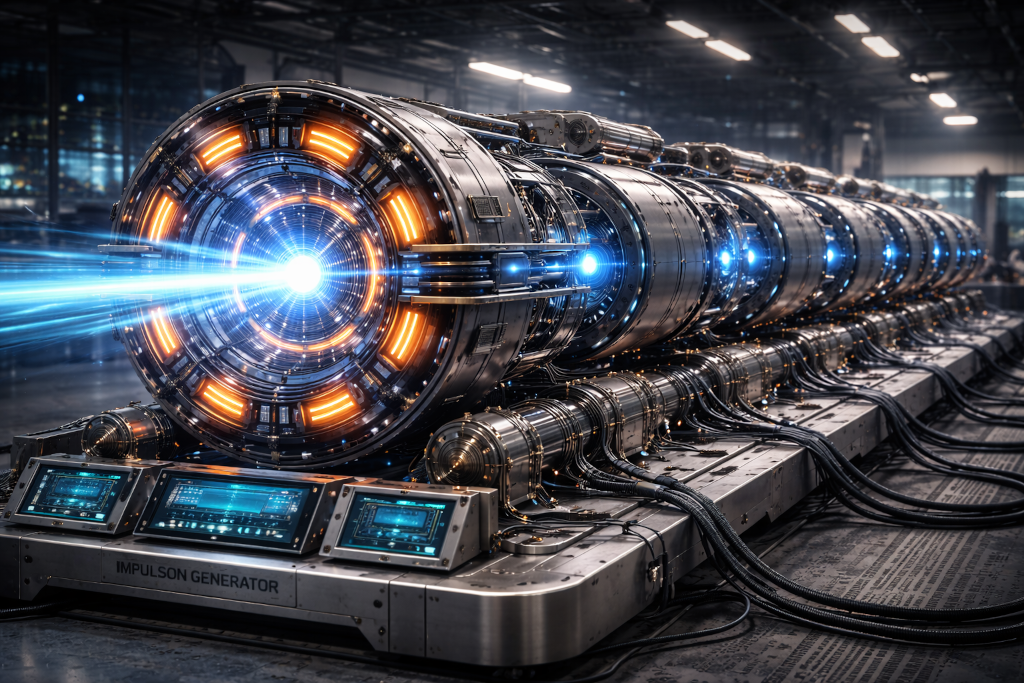 The LASER taught us that energy does not need to explode outward to be useful. It can be channeled. It can be persuaded to exit matter in an orderly way.
  The story of the LASER does not begin with light, but with order.
 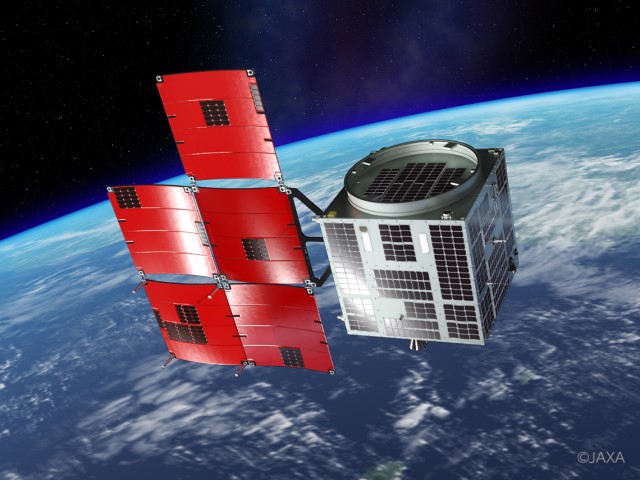 Today we are joined byYasunori Yamazaki, Chief Business Officer at Axelspace. Axelspace are pioneers of microsatellite technology advancing the frontiers of space business, reimagining traditional ways of using space, and creating a society where everyone on our planet can make space part of their life.
 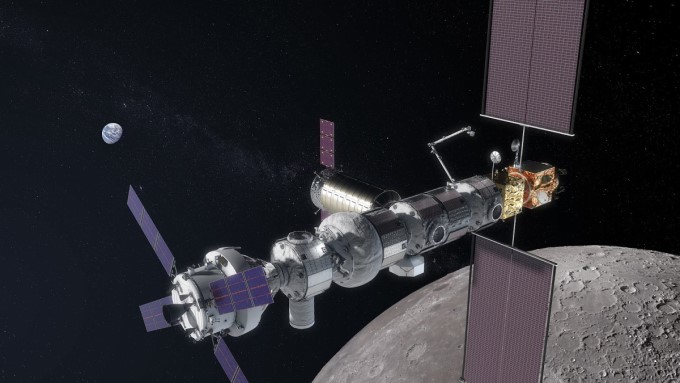 Today we are joined by Logan Ryan Golema, Founder & Principal, and Vishal Singh, Chief Scientist at Lunargistics.
 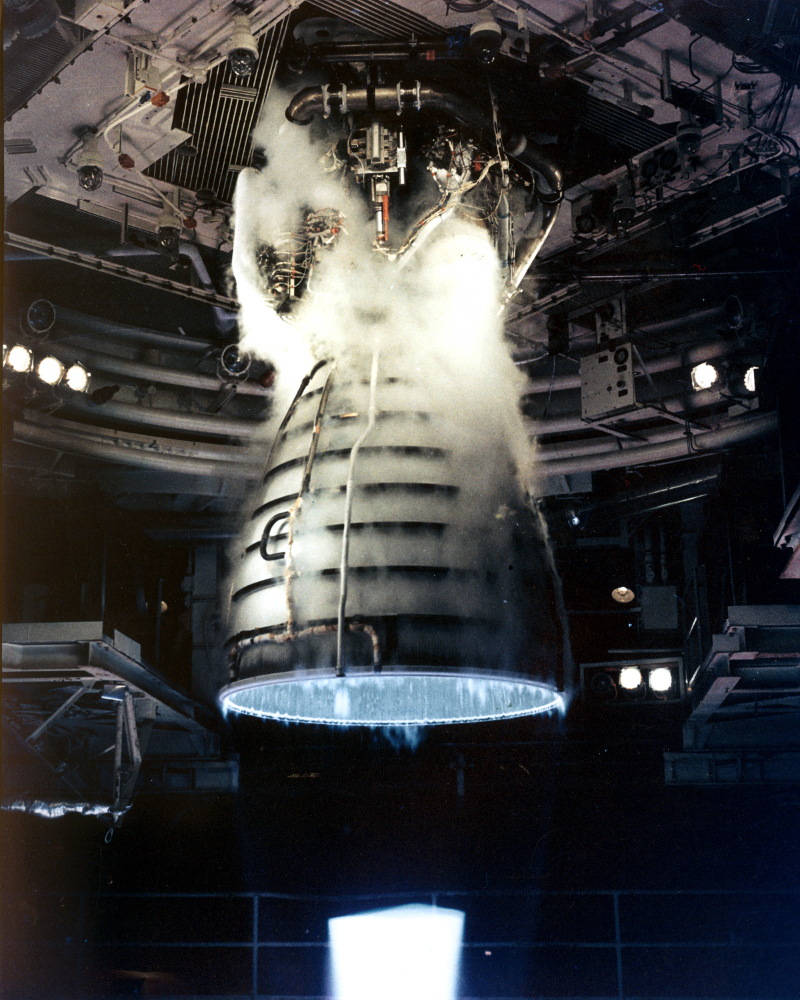 The complexity of aerospace systems is increasing exponentially. Both hardware and software subsystems are becoming more complex and encompassing systems' behaviour becomes difficult to model due to the dependencies, relationships, and other interactions between their components. Predictable behaviour of complex aerospace systems translates into the reliability of each of their subsystems.
  Journalists present their findings about fraudulent pseudo-academic conferences and journals. There are fake science factories that are cashing in on millions of dollars every year, while giving studies scientific credibility. We should not underestimate the damage these pseudo-academic conferences can do to society.
 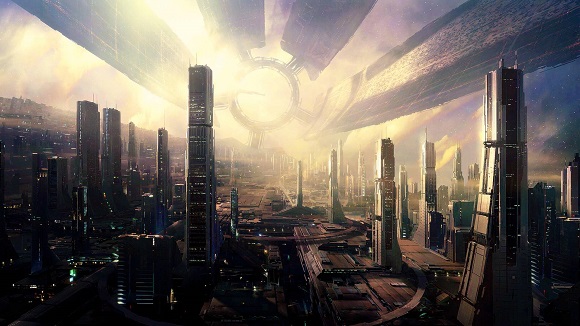 Cryptocurrencies are here to stay and it is quite plausible that future human colonists spread across the solar system and beyond will use a decentralized cryptocurrency as opposed to a fiat currency issued by a central authority. The low transaction fees, the ubiquitous access, not being bound by exchange rates or interest rates, not being controlled by financial institutions who are serving foreign interests -- these are some of the advantages cryptocurrencies will enjoy in the thriving exo-economy.
 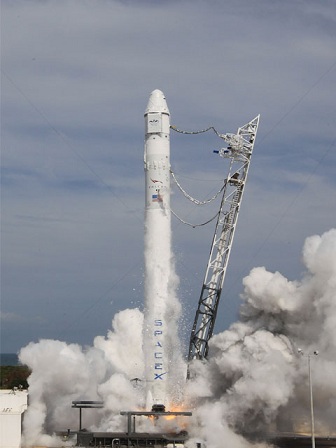 Disruptive technology is a very bizarre (and scary) concept, but it is not a bizarre or scary idea. The concept was introduced by Clayton Christensen. In one of his books, The Innovator’s Dilemma, The Revolutionary Book That Will Change the Way You Do Business, Christensen proves that, under certain circumstances, companies that do things right can lose their market share or even get out of business. He also presents a set of rules that can help companies capitalizing on disruptive innovation. While I am not trying to give a lecture on economics, I would like to understand how to apply (if possible) the principles of disruptive technologies to the space industry. A very good example is quite at hand… SpaceX.
  The International Organization for Standardization (ISO) has implemented the UN Space Debris Mitigation guidelines in a number of standards.
Want more? Read the Best Of category
Latest blog posts
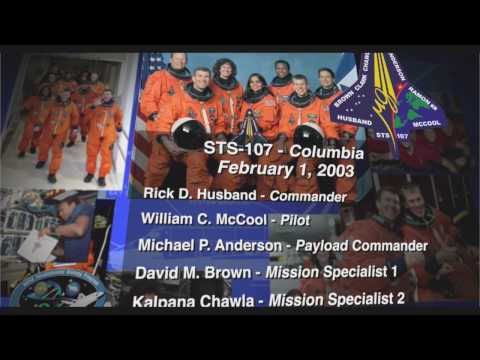 NASA Day of Remembrance commemorates the fallen heroes of Apollo1, Challenger, and Columbia.
Every propulsion revolution has been delayed not by imagination, but by power.
The LASER taught us that energy does not need to explode outward to be useful. It can be channeled. It can be persuaded to exit matter in an orderly way.
The story of the LASER does not begin with light, but with order.
NASA Day of Remembrance commemorates the fallen heroes of Apollo1, Challenger, and Columbia.
Every propulsion revolution has been delayed not by imagination, but by power.
The LASER taught us that energy does not need to explode outward to be useful. It can be channeled. It can be persuaded to exit matter in an orderly way.
The story of the LASER does not begin with light, but with order.  High above Earth’s surface, in a region of the atmosphere called the stratosphere, lies a thin layer of ozone (O₃) that acts as a vital shield for life on our planet.
 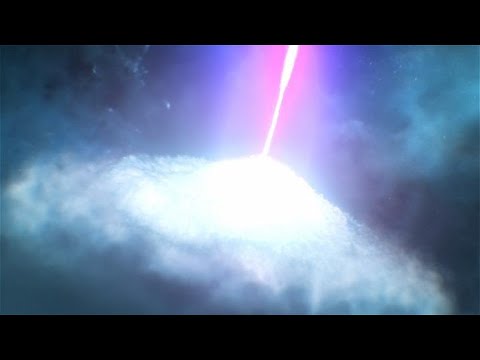 The event, designated GRB 250702B, is not just another gamma-ray burst — it turned out to be the longest and most unusual gamma-ray explosion ever observed.
 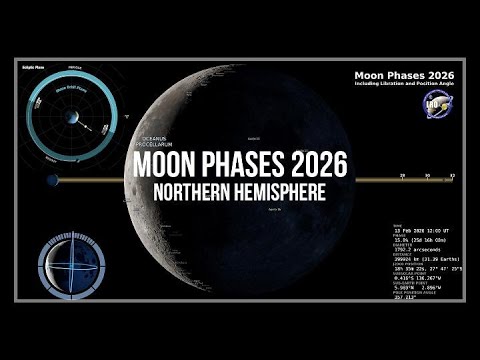 The Moon’s phases are among the most familiar and enduring rhythms in the natural world, quietly unfolding overhead as the Moon appears to change shape night after night.
 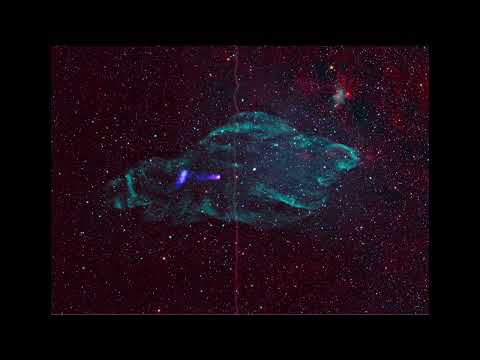 SS 433 is a unique microquasar in the Milky Way powered by a likely stellar-mass black hole whose supercritical accretion disk launches precessing relativistic jets that sculpt the surrounding W50 nebula and provide an exceptional laboratory for studying extreme astrophysical physics.
 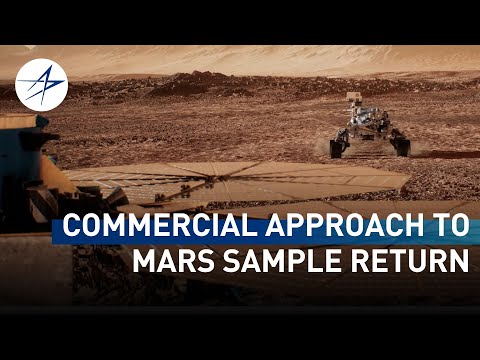 NASA’s Mars Sample Return mission is a proposed multi-agency effort to collect scientifically curated samples gathered by the Perseverance rover, launch them into Martian orbit, and return them to Earth for unprecedented laboratory analysis that could reveal Mars’ geological history, environmental evolution, and potential past life.
 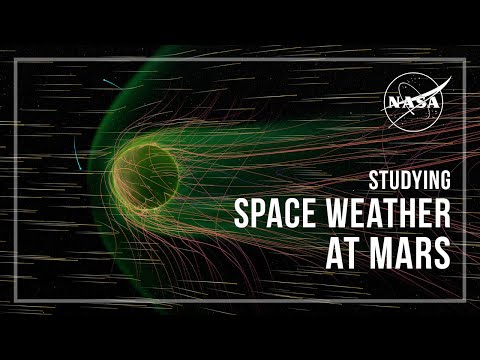 NASA’s ESCAPADE mission will send two small satellites to orbit Mars and study how the planet’s magnetic environment and solar-wind interactions drive the escape of its atmosphere over time.
  Sentinel-6B represents the next leap in monitoring our planet’s oceans.
 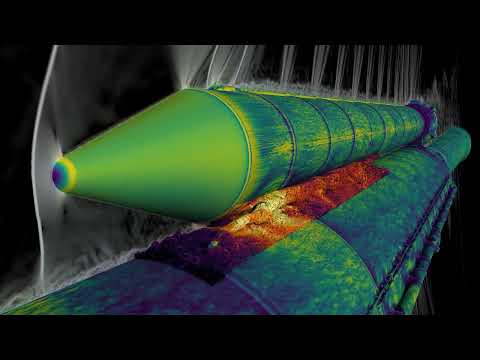 When NASA’s Space Launch System (SLS) powers into the sky, it must contend with some of the most extreme and complex aerodynamic conditions ever attempted.
Do you want to read more? Check out the blog
Have time on your hands? Check out the archive
Job board
There are no active job ads on the job board at this time.
Take advantage of our promotion. For a limited time only, submit ads to our job board for free.
 Subscribe to blog posts using RSS











